Semester Projects
SamenPingPong
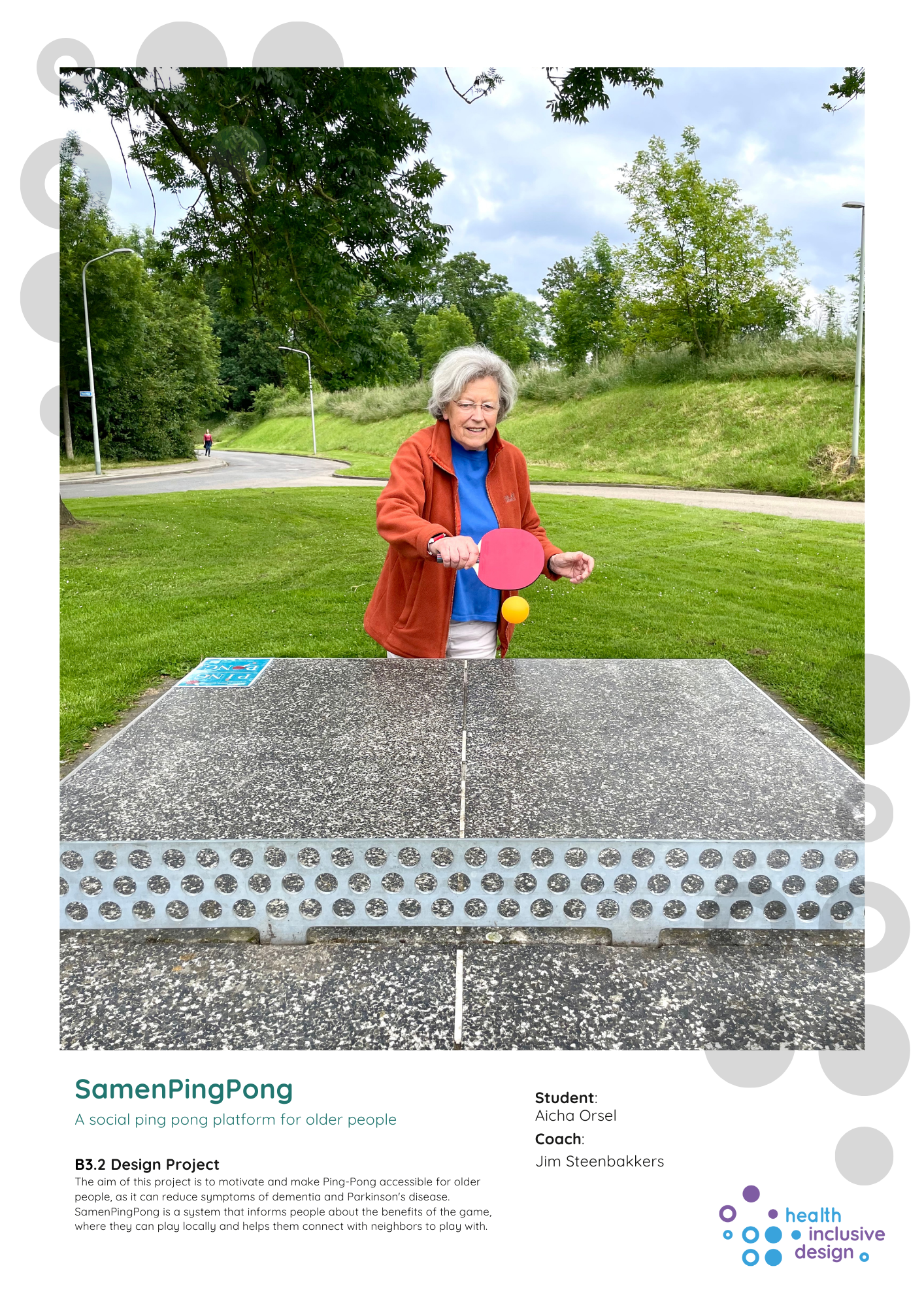
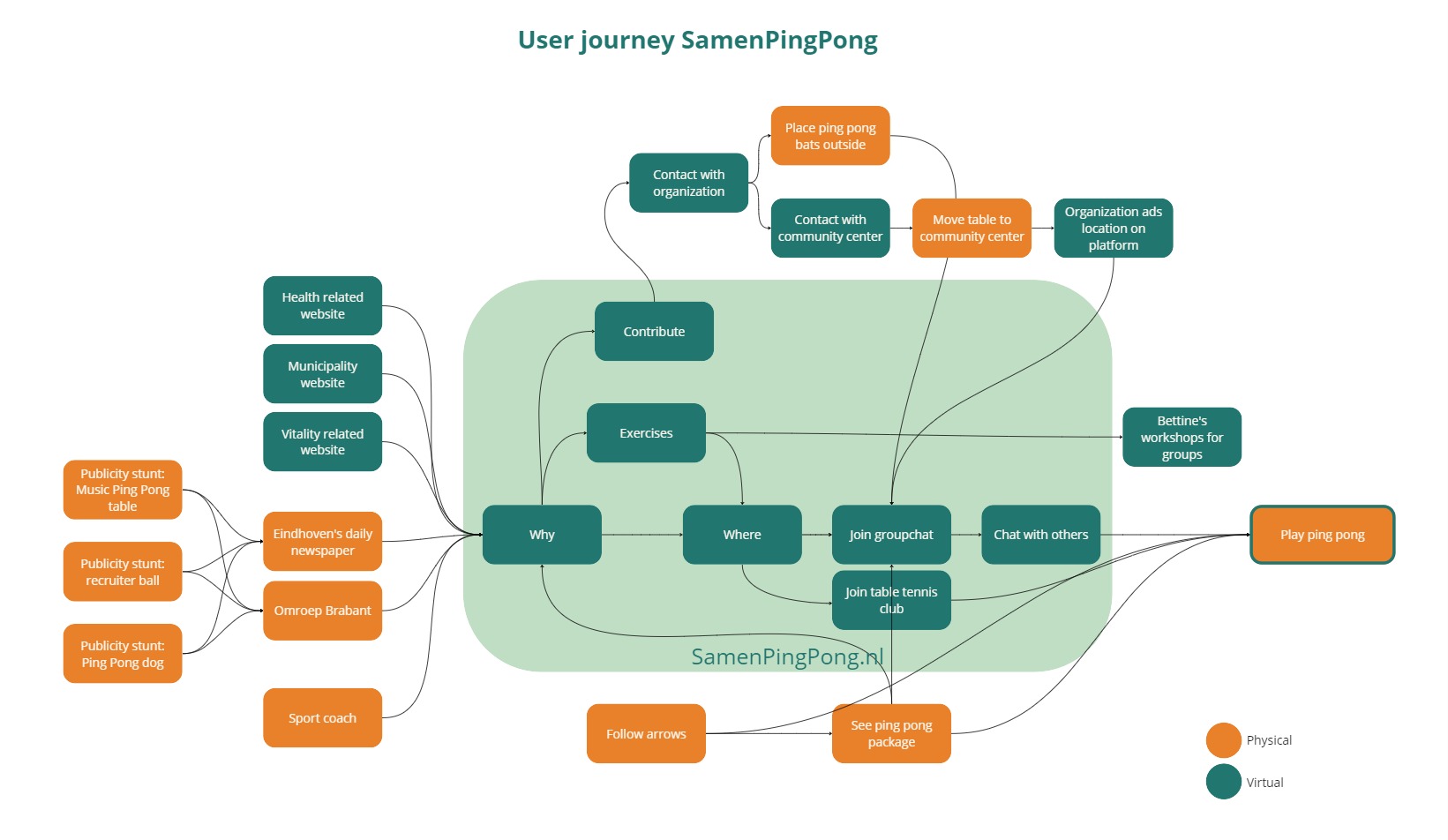
Dementia and Parkinson’s disease are prevalent conditions among older adults, affecting millions worldwide, with numbers steadily increasing as the global population ages. Currently, there is no cure for either disease, which has led to extensive research on methods to alleviate symptoms. Recent studies have highlighted the potential of table tennis in reducing the symptoms of both dementia and Parkinson’s disease. Despite these promising findings, awareness is limited, and facilities offering table tennis specifically for this demographic are scarce.
To address this gap, I conducted several user interviews, activities, and tests, resulting in the development of a dedicated platform for older adults. This platform provides comprehensive information on the health benefits of table tennis, helps users locate nearby places to play, connects them with potential playing partners, and offers home exercises to build confidence before playing in social settings. Additionally, public ping pong tables will be equipped with bats and information on the health benefits of playing, encouraging participation and awareness among older adults.
The municipality of Eindhoven sees great potential in adopting this project for actual use in Eindhoven and is helping me promoting my platform.
You can visit the platform: https://samenpingpong.nl/
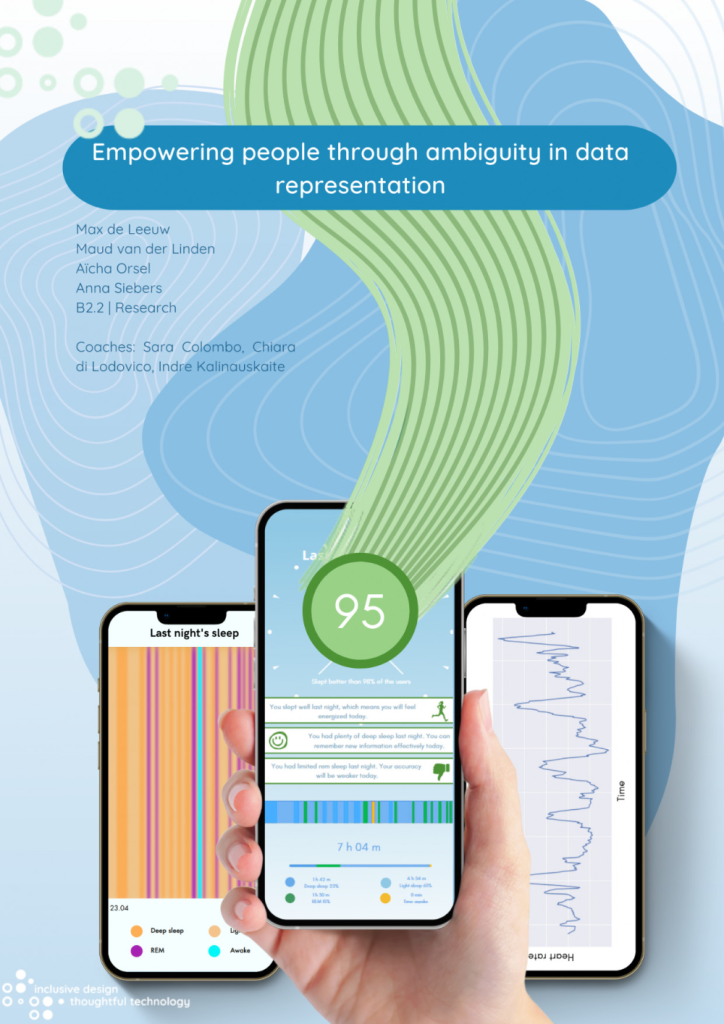
Empowering people through ambiguity in data visualization
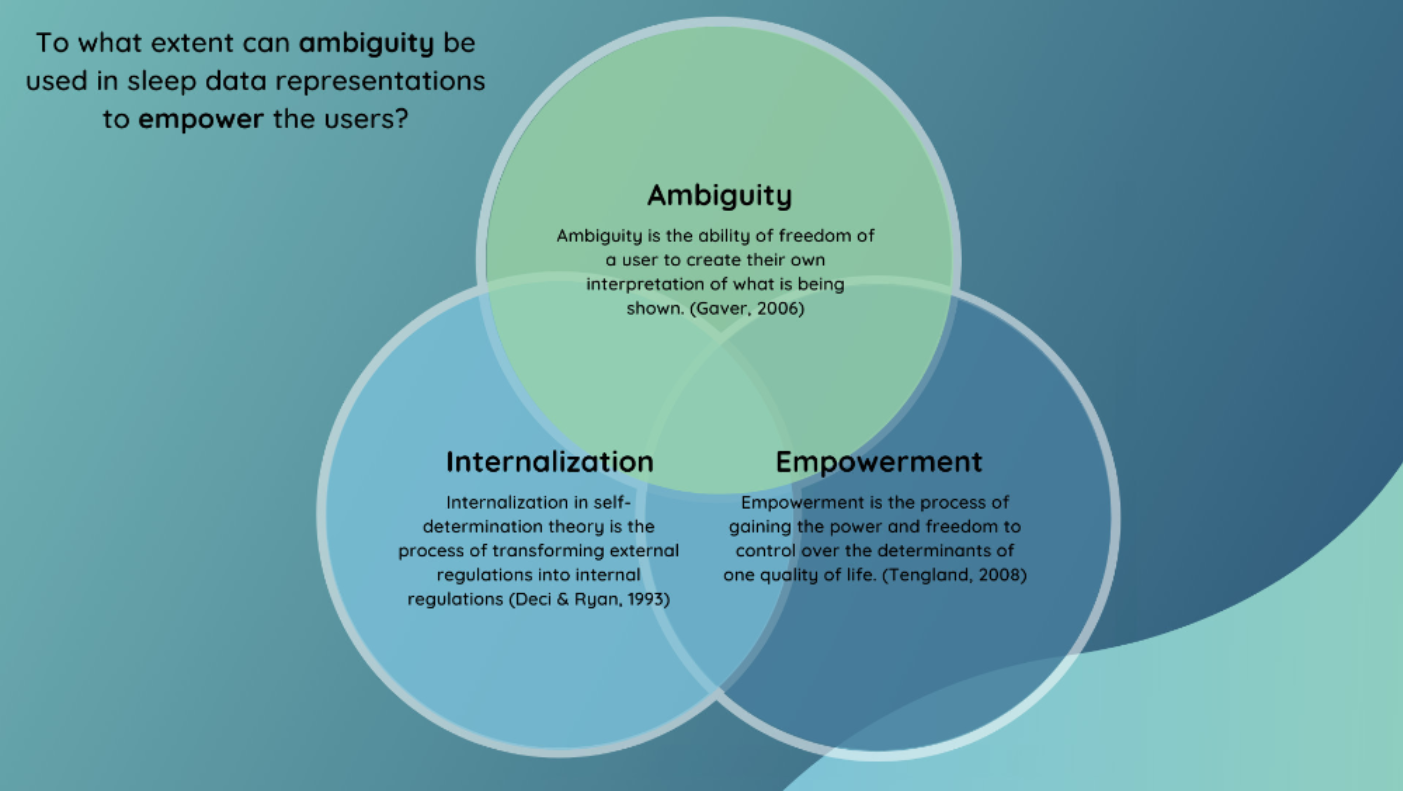
In the data-controlled world we live in now we see more devices through which individuals can track their life data. However, this tracking entails certain unintended effects, this is particularly relevant in the case of sleep-tracking. The aim of this paper is to explore the extent to which ambiguity in sleep-tracking personal data representation designs can be used to empower users.
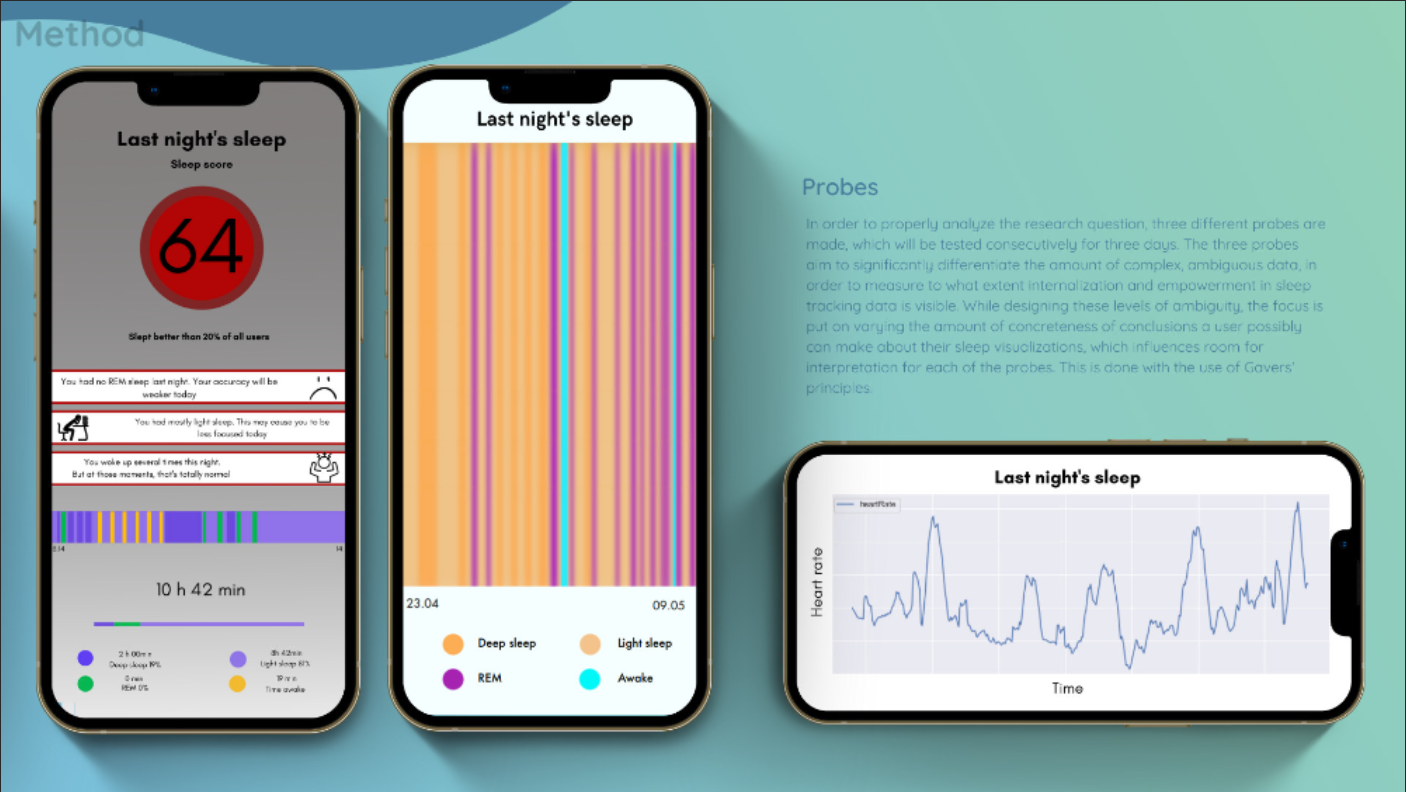
By trying to find a correlation between an increase in empowerment and a decrease in internalization, an exploratory answer to the question is provided. 8 participants were exposed to 3 visualisations with different levels of ambiguity.
The results in this article are based on questionnaires in combination with an in-depth interview. We report on changes in perceived sleep quality after seeing the representations, perceived empowerment of the three visualizations, understanding and interpreting the visualization, freedom to make your own conclusions and preferences.
Based on the insights collected during the user study, we offer considerations regarding the relation between ambiguity level, internalization, and empowerment, limitations and recommendations for future research. Finally, ambiguity can be used as a design tool to explore unintended effects, empowerment and internalization of personal data representations. Further research and longer-term field studies should be developed to explore this emerging field.
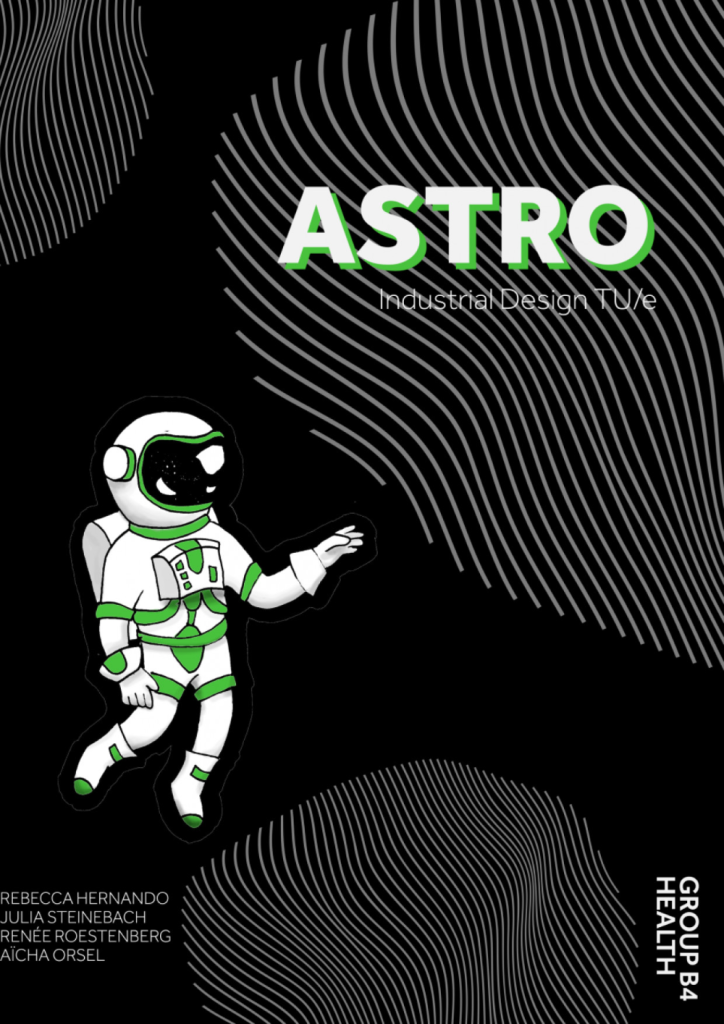
Astro: Enhancing Breathing Exercises
We tackled the challenge of designing for individuals with spinal cord injuries who struggle with breathing. Such patients often engage in repetitive exercises with therapists, which can hinder recovery due to their monotonous nature.
We created ASTRO, an engaging sandbox avatar game that helps patients track progress and understand their well-being through fun, motivational mini-games. Patients can break personal records and practice in an enjoyable way, making rehabilitation more effective and enjoyable with therapists’ assistance.
Planting Habits
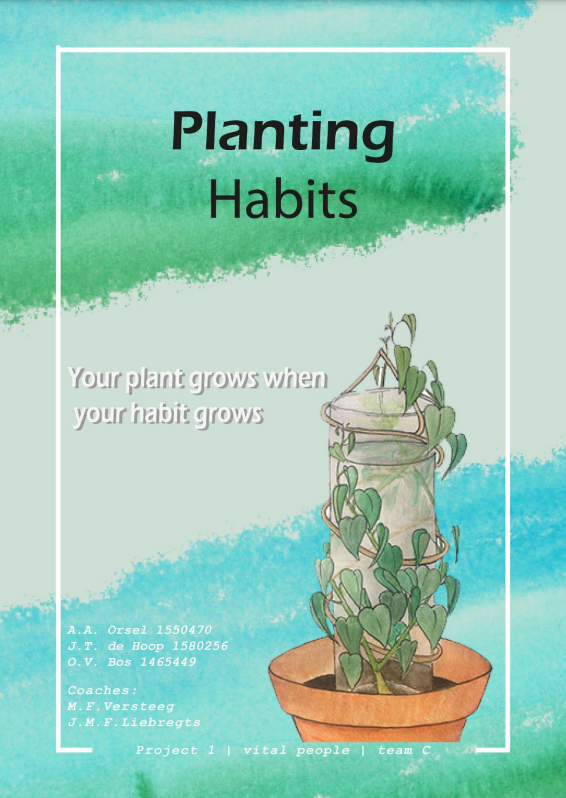
The goal of my first design project was to help students build healthy, long-term habits. We noticed that students often intend to create new habits but struggle to follow through due to their busy, varying schedules, leading to the intention-behavior gap. Initially, students are good at maintaining habits for the first week, but this becomes harder over a month. From a behavioral psychology perspective, we focused on providing motivation and reminders, as our survey indicated these would be most helpful.
To address this, we developed “Planting Habits,” a phygital product combining an app and a plant. The app guides users in setting realistic habits, and the plant is watered only when the user completes the desired activity, serving as motivation. Testing with three participants showed the design successfully reminded users of their habits and nudged them to work on them.